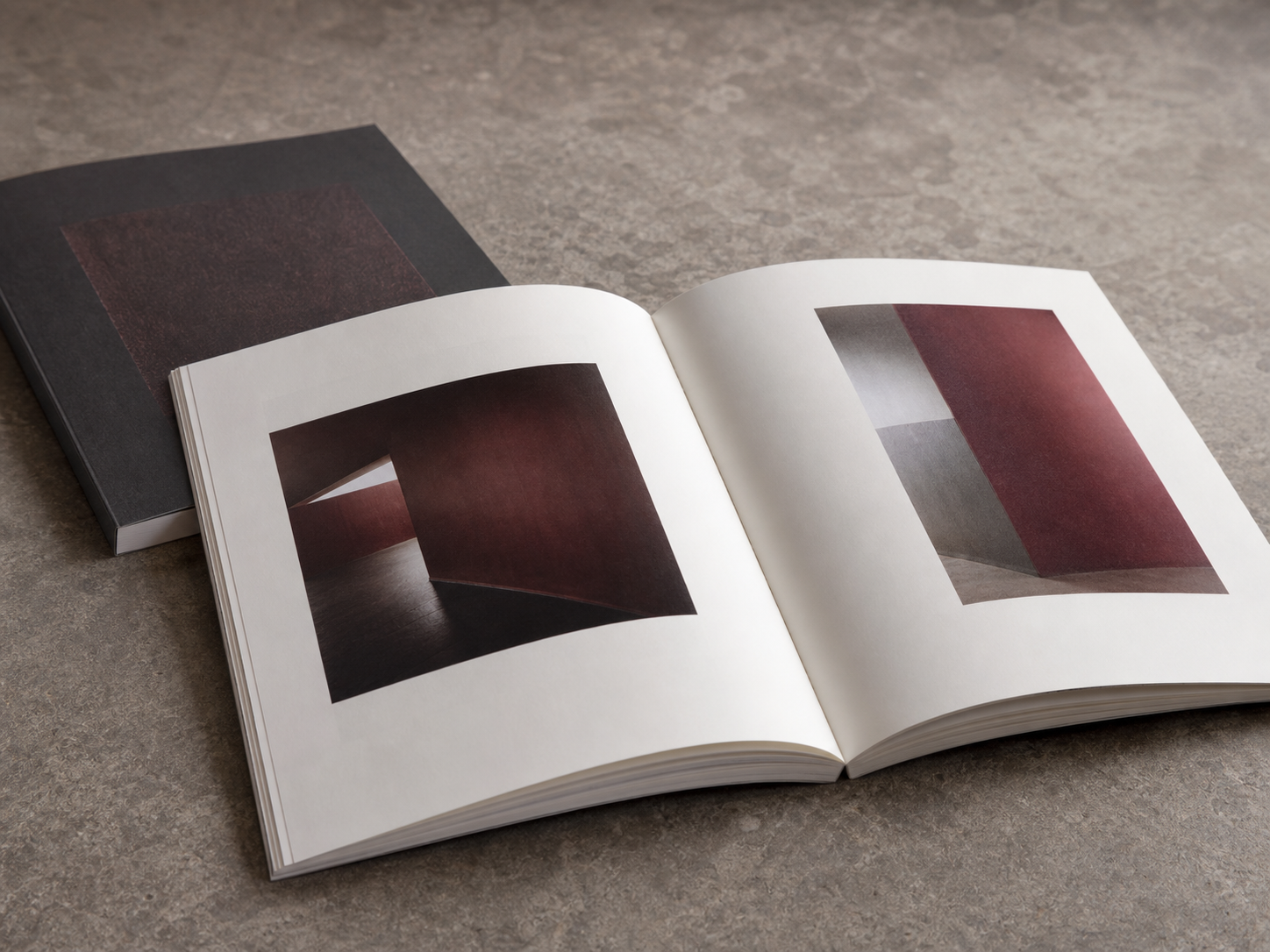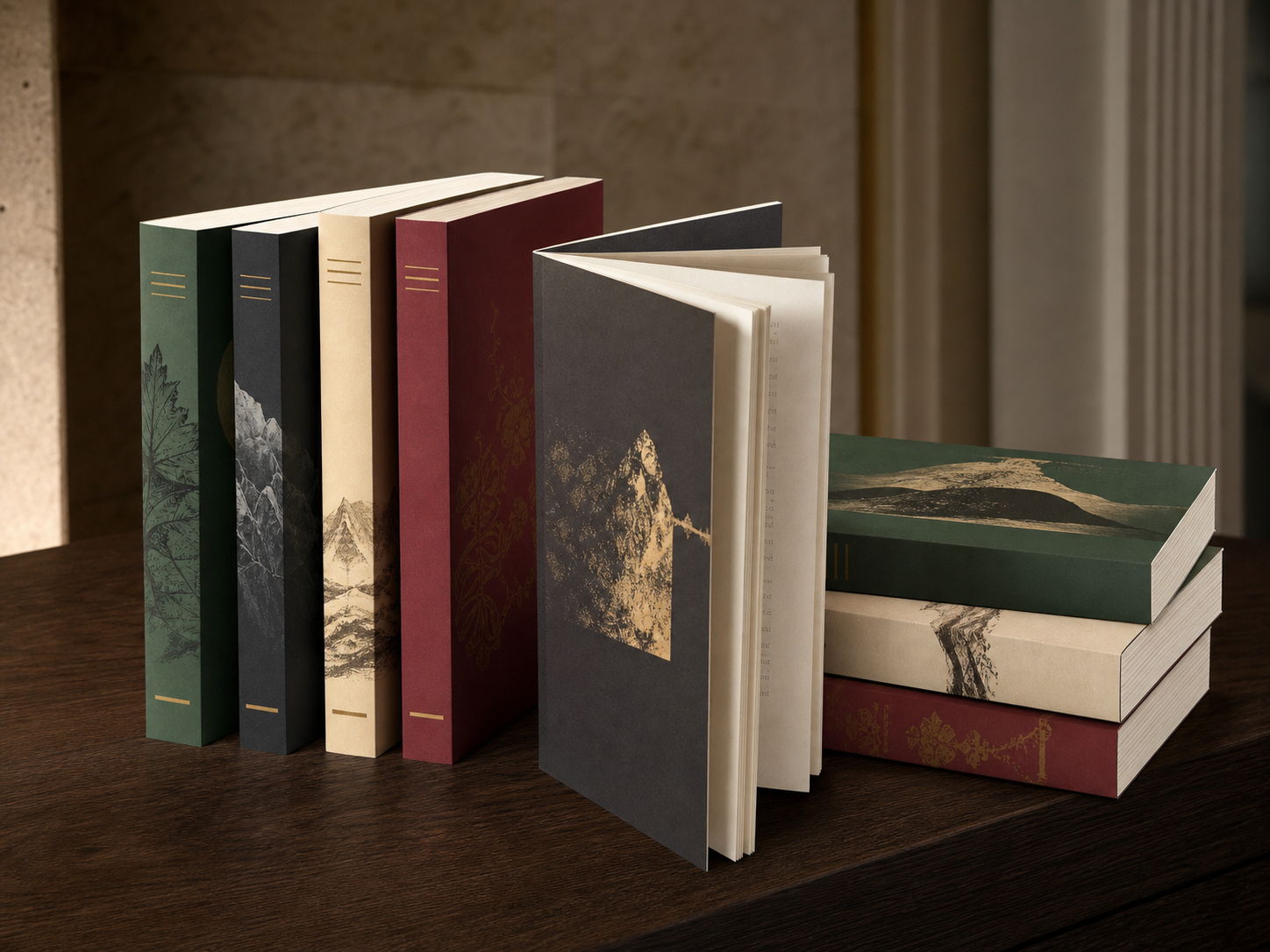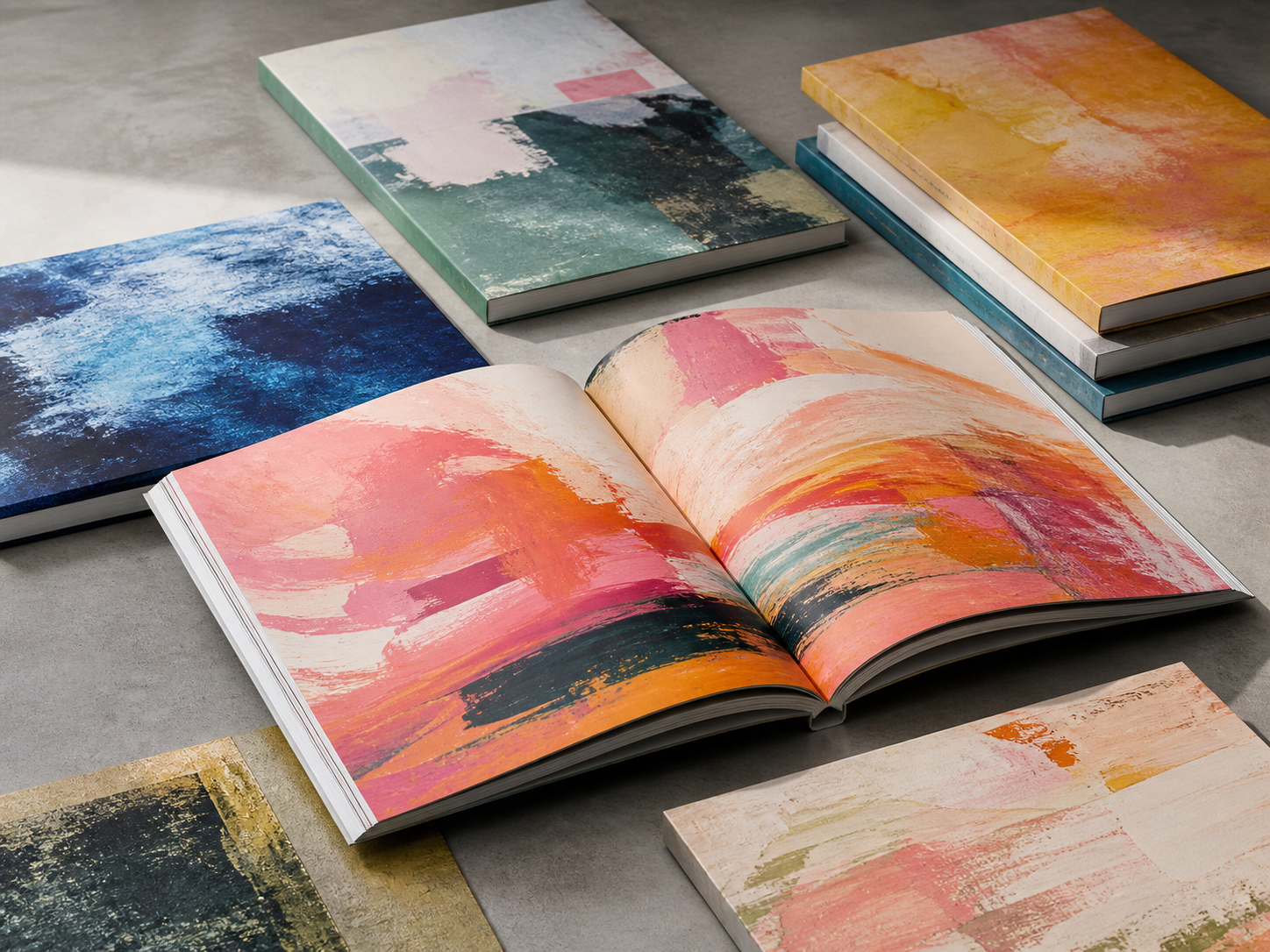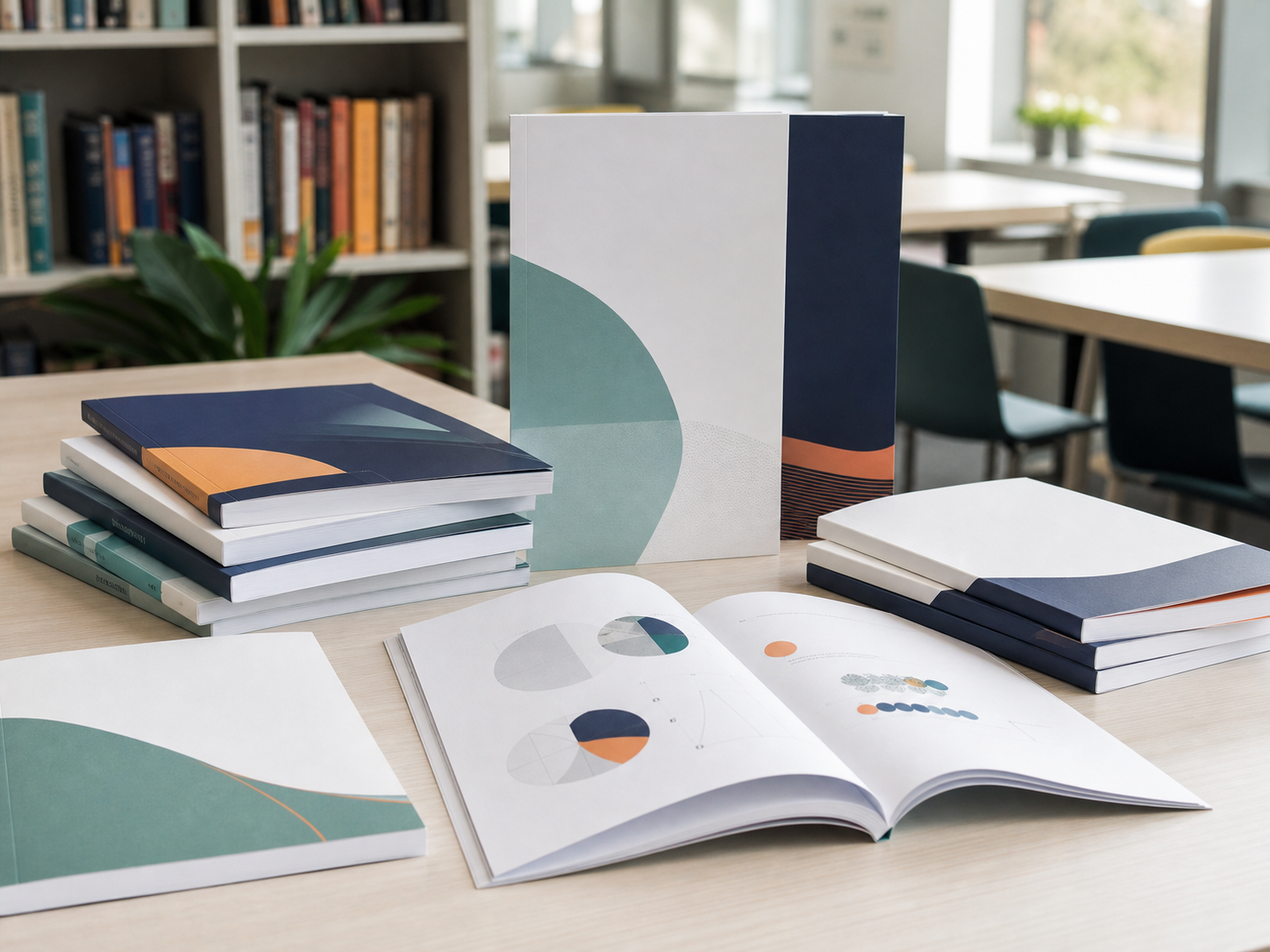
Market Paperback
Literary bibliography, novels, biographies and general publishing.
Learn about this product →
Perfect binding · French folding · Sealed flat binding
Suitable for market titles, literary editions, educational projects and imaging-based publishing; even with a lighter structure, paper, color and bookshelf presentation still need to be strictly controlled.


Product Story
Paperbacks bring content into everyday reading, classrooms and bookstores. The structure may seem simple, but in reality it tests the paper thickness, coverability, spine strength, cover paper texture and flipping performance.
We treat page count, paper, binding, cover, shipping weight and serial repeatability as a system to make the finished book readable, durable and suitable for market distribution.

Literary bibliography, novels, biographies and general publishing.
Learn about this product →
Textbooks, course books, manuals and repeatable learning series.
Learn about this product →
Image catalogues, magazines, brand books and periodic publications.
Learn about this product →
Use folding pages to add book introduction, author information and cover style.
Learn about this product →
Improved durability for thicker versions that require long-term use or heavy flipping.
Learn about this product →
Unify the format, paper, color and packaging, and support multiple books.
Learn about this product →Specification Framework
The following is the common starting point for market plain packaging; the formal specifications are still subject to the document, purpose, quantity, delivery place and confirmation sample.
Submit existing spec →| Common format | Straight, horizontal, square and custom sizes |
|---|---|
| cover paper | Commonly used 200-350 grams, selected according to spine, paper grain, craftsmanship and stiffness |
| Inner paper | Uncoated, Coated, Dowling, Lightweight, High Hide, Recycled and Specialty Papers |
| Binding | PUR glue binding, EVA glue binding, thread-locking glue binding, French folding and confirmed flat structure |
| Cover process | Lamination, foil stamping, embossing, local processing and die cutting |
| Proofing | Digital sample, paper sample, binding sample or production sample |
| Quality Control | File, color, folds, spine, page order, appearance and packaging |
| Export Protection | Single package, strengthen outer box, pallet and destination marking as needed |
Materials and Workmanship
Market plain packaging materials, structures and processes are reviewed according to the same finished product system to avoid stacking effects and conflicting specifications.
Match whiteness, hue, thickness and print-through based on text, illustrations and photography.
Choose between gluing, back milling, grooved or stitched according to the number of pages, paper and flip.
Coordinate folding depth, creasing, paper grain, cover paper and lamination.
Select lamination or coating based on feel, color, scratch resistance, and recycling goals.
Use foiling, embossing, debossing and spot effects with controlled registration and gradation.
Record format, spine, paper, color and outer box standards.
Controlled production path
Confirm market paperback size, number of pages, quantity, usage, documentation and delivery location.
A holistic review of market paperback paper, construction, binding, workmanship and packaging.
Choose color sample, blank structural prototype, binding sample or production sample according to market plain packaging risk.
Market paperback printing, post-processing and binding are all performed according to the confirmation sample.
Complete the final inspection of market plain packaging, sealed packing, outer box marking and shipping records.
FAQ
Provides size, page count, color, paper, binding, workmanship, quantity, file status and destination.
PUR is often considered when using coated paper, higher ink volume, or requiring stronger page pulling force, but it still needs to be confirmed according to the complete specifications.
For editions that are thicker, have a large number of pages, or value long-term use and reading, locking may be considered.
Yes; the cover paper, paper grain, pressure line, folding depth and lamination need to be coordinated to avoid bursting or rebounding.
It is necessary to control the paper grain, pressure line, lamination tension, ink volume, adhesiveness, moisture content and packaging at the same time.
Yes, the format, paper, binding, color and packaging can be unified while retaining the respective files and quantities.
Start with a real project
Submit market plain packaging specifications, quantity, delivery location, documents and reference drawings; the project team will list the matters that still need to be confirmed before quoting.
Start project